If you’ve worked on GenAI projects, you’ve probably heard that line before.
“No AI-generated humans”
It’s the kind of sentence that makes every creative sit up a little straighter. Beauty, finance, health - they all have their reasons. Authenticity. Regulation. Trust. And suddenly, all the easy lifestyle shots disappear. No one holding the product. No one using it. No one even standing nearby.
At first, I thought that sounded impossible. Then I realised it was just an invitation.
If I couldn’t show people, I’d have to make the world feel like they were still there. The story would have to live in what they’d left behind: a touch, a shadow, a reflection, a trace of motion.
And somewhere in that process, it stopped being frustrating and started being fun. Finding new ways to suggest presence has become one of my favourite creative exercises.
Author: Juliette Suvitha, Head of AI Creative @ Pencil
Every industry has its line in the sand.
In beauty, it is about authenticity, how a product looks and behaves on real skin, something AI still has not quite mastered. In alcohol, it is about responsibility, never implying unsafe consumption or implying that alcohol is what makes people have fun. Finance and health add their own twist with trust, credibility, and a mountain of regulation.
So, every visual has to feel human. Not by showing a face, but by creating something that feels relatable, believable, and real.
That is when the briefs start coming with pages of creative guardrails. Lifestyle, off the list. Expression, risky. Aspiration, only if it looks honest. It can sound limiting, but it is not. It just changes where you look for the story.
Instead of people, you start noticing traces, a shadow crossing a wall, a reflection in a window, a chair left slightly turned. Little signs that someone has just been here.
Those traces become the story.
Let’s trick your eyes into believing there are humans around.
Because the last thing you want is an image that looks like a deserted place. Empty scenes feel cold and disconnected. So let’s not do that.
Here are some of my favourite ways to make a scene feel alive without showing a person at all.
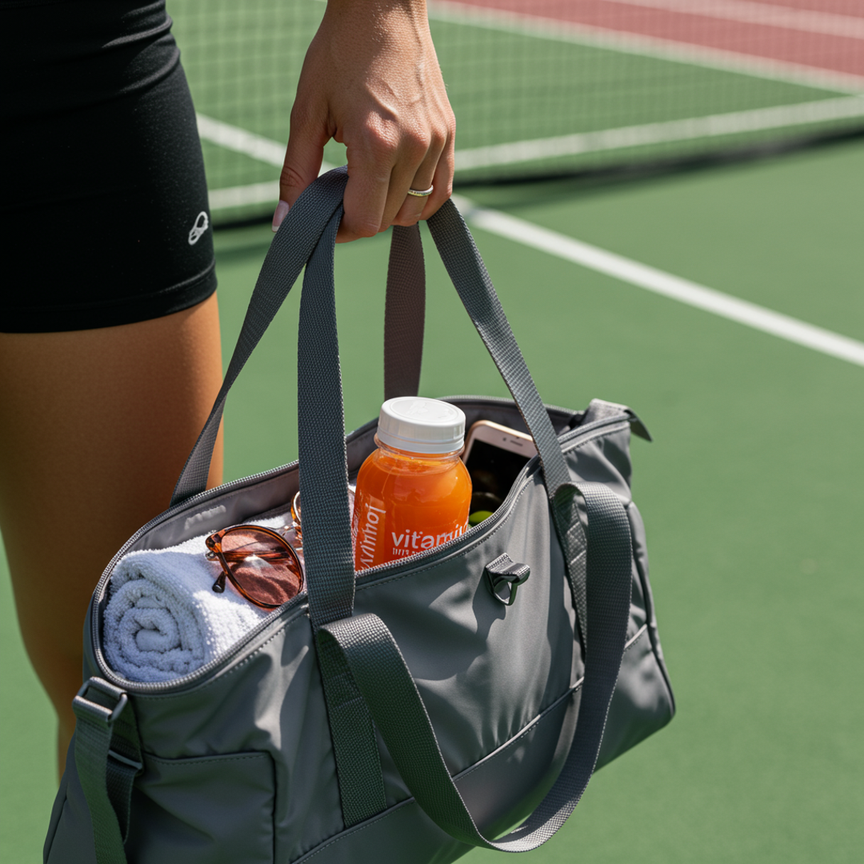
| 1. Parts, not people Hands, arms, a shoulder in light, or the curve of a neck slightly out of frame. Focus on gestures or texture. You only need a hint to suggest someone’s there. |
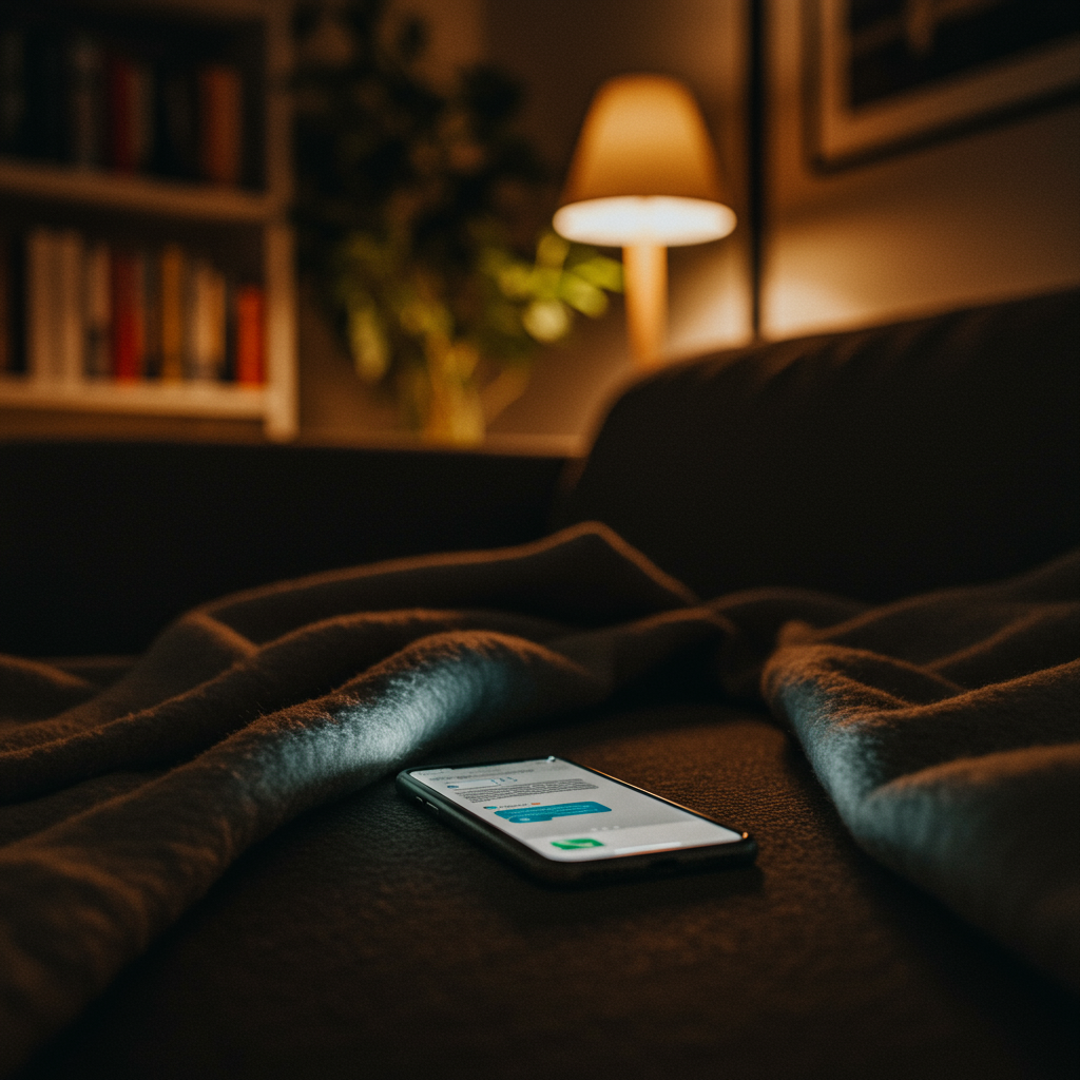
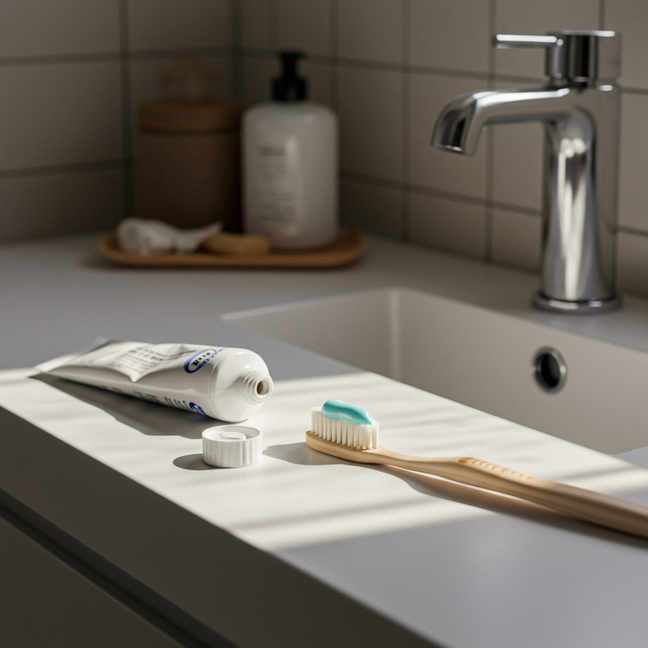
2. Objects just used Show the scene after the moment. A lipstick uncapped. A drink half-finished. A shirt draped on a chair. A phone lighting up. These details tell us someone was here a second ago. | |
| 3. Shadows and silhouettes Light is a storyteller. A shadow moving across a wall or a silhouette that never fully resolves into a person can bring emotion into the frame without showing anyone. |
4. Reflections Puddles, glass, mirrors. Reflections create presence without visibility. Keep them subtle, like catching someone’s reflection just before they walk away. | |
| 5. Motion and blur In video, movement does the heavy lifting. A passing reflection, a curtain shifting, or a shadow crossing the frame adds life without a literal figure. |
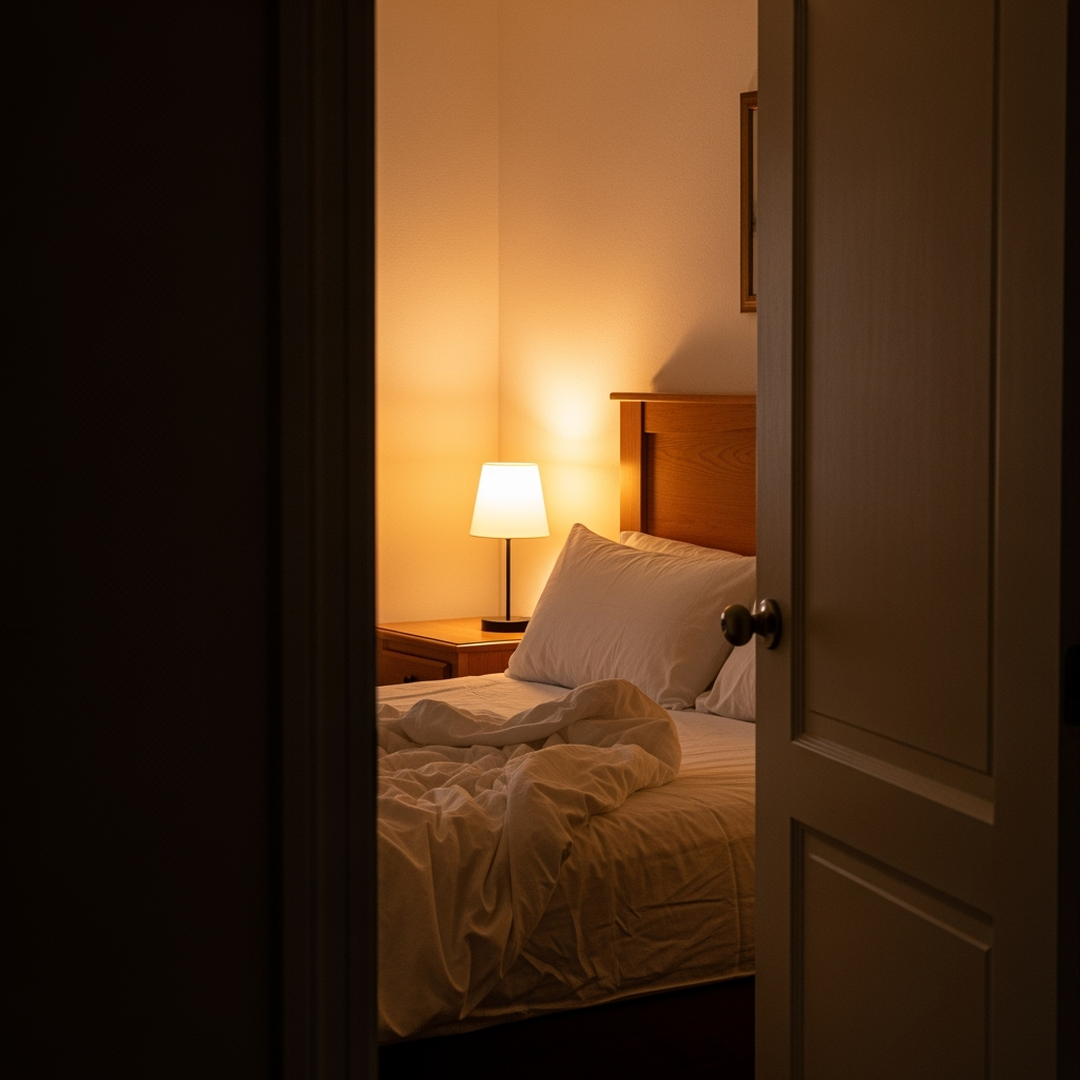
6. Environmental clues Use spaces that carry human warmth even when no one is visible. A rumpled bed, steam from a cup, condensation on glass, or footprints in sand. Tiny signals that something just happened. | |
| 7. Interactive light Let light react to invisible actions. A door cracked open so light spills in, a television flickering off-screen, or sunlight shifting as if someone has just walked past. The world feels active.
|
8. Layered storytelling Focus on the personal objects people surround themselves with. A half-open journal. Headphones tangled on a desk. A bag left mid-unzip. These are portraits made from objects. | |
| 9. Framing and perspective Shoot from a point of view. Through a doorway, from a seated angle, or the view of a hand reaching out. The viewer becomes the person in the story. |
10. Sound cues for video Sound completes the illusion. The clink of glass, a faint conversation, or footsteps passing by. You can create presence with sound alone. | |
It’s not about removing people. It’s about keeping the world they move through alive.
Why I Enjoy This Challenge
Every time a brief like this lands on my desk, I remember why I love visual storytelling. Without people in the frame, everything depends on the craft. Composition. Texture. Light. Rhythm. Feeling. It is pure direction, guided only by the story you want to tell.
These projects keep me sharp. There is no autopilot button here. You have to think, test, and design scenes that feel natural, even when they are built from pixels and prompts. And somehow, that effort makes the result more human, not less.
It is also a good reminder that creativity in GenAI is not about what you cannot do. It is about finding new ways to express what you can. When someone says “no AI-generated humans,” they are not closing a door. They are pointing to a new one.
So, the next time a brief arrives with those words, take it as an invitation. Push the scene. Play with detail. Let the world feel alive, even if no one is standing in it.